
Prompt diagnosis and expert orthopaedic care to help restore your pet’s comfort, mobility and quality of life.
Hip Dislocation Treatment
A hip dislocation is a painful orthopaedic injury that occurs when the ball of the hip joint moves out of its normal position. This injury often happens after trauma, such as being hit by a car or experiencing a significant fall, and requires prompt veterinary attention.
At Vets of Melbourne, we provide comprehensive diagnosis and treatment for hip dislocations in dogs and cats. Whether your pet requires non-surgical management or orthopaedic surgery, our experienced veterinary team will develop a personalised treatment plan to support the best possible recovery.
What Is a Hip Dislocation?
The hip is a ball-and-socket joint that allows smooth movement of the hind leg. A hip dislocation occurs when the ball of the femur slips out of the hip socket, causing pain, instability and difficulty walking.
Without timely treatment, a dislocated hip can become more difficult to correct and may lead to long-term joint problems.
Diagnosing a Hip Dislocation
A thorough examination is the first step in diagnosing a hip dislocation.
Your veterinarian may recommend:
- A comprehensive physical examination
- Orthopaedic assessment
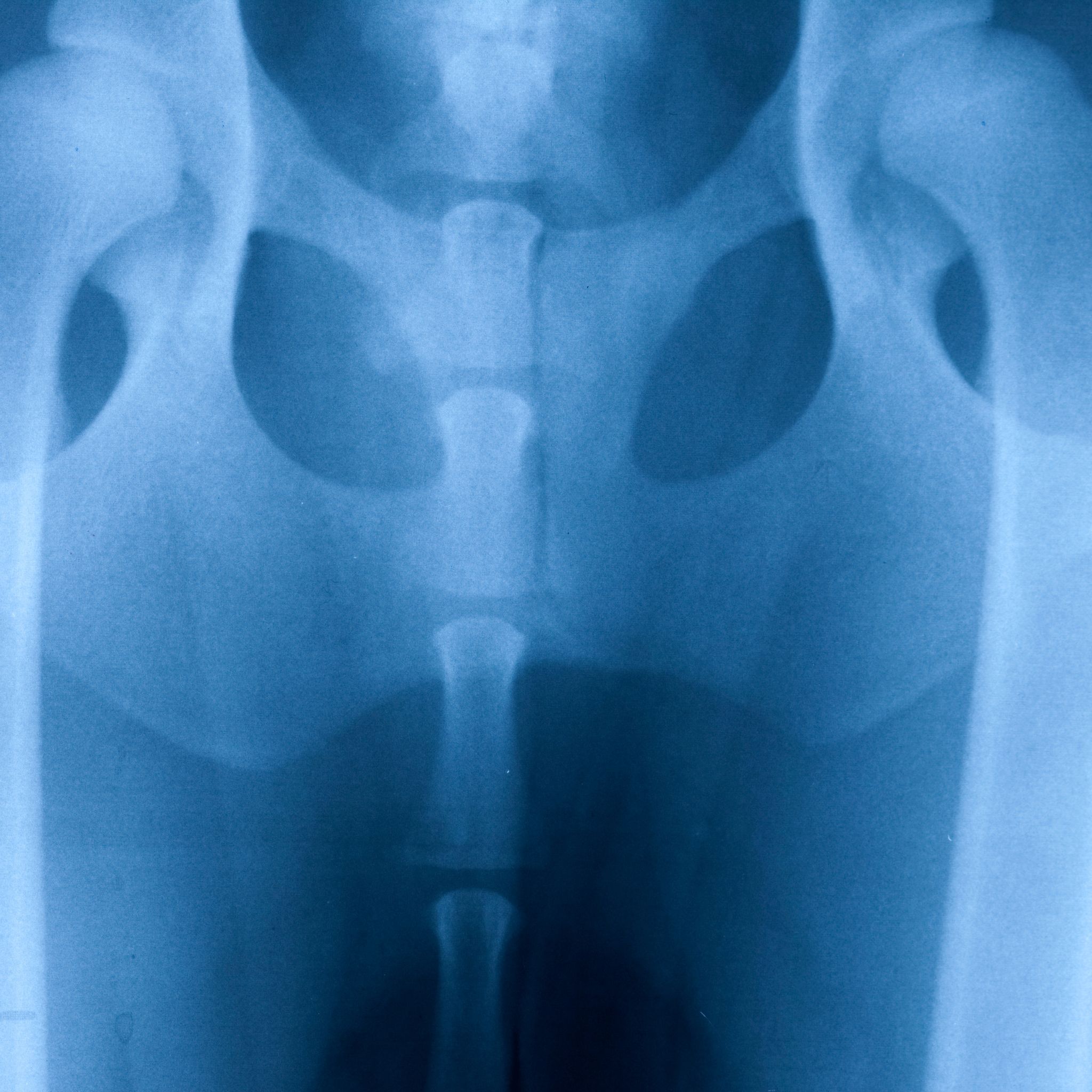
- X-rays to confirm the dislocation and identify any associated fractures
- Additional diagnostic tests if other injuries are suspected
Accurate diagnosis allows us to recommend the most appropriate treatment for your pet.
Hip Dislocation Treatment at Vets of Melbourne
A hip dislocation can be distressing for both you and your pet, but prompt veterinary care can make a significant difference to recovery.
At Vets of Melbourne, we combine thorough diagnosis, modern orthopaedic techniques and personalised aftercare to help your pet regain comfort and mobility. From your first consultation through to recovery, our experienced team is here to support you every step of the way.
Book an appointment with Vets of Melbourne if you think your pet may have a hip dislocation or is showing signs of pain or lameness.