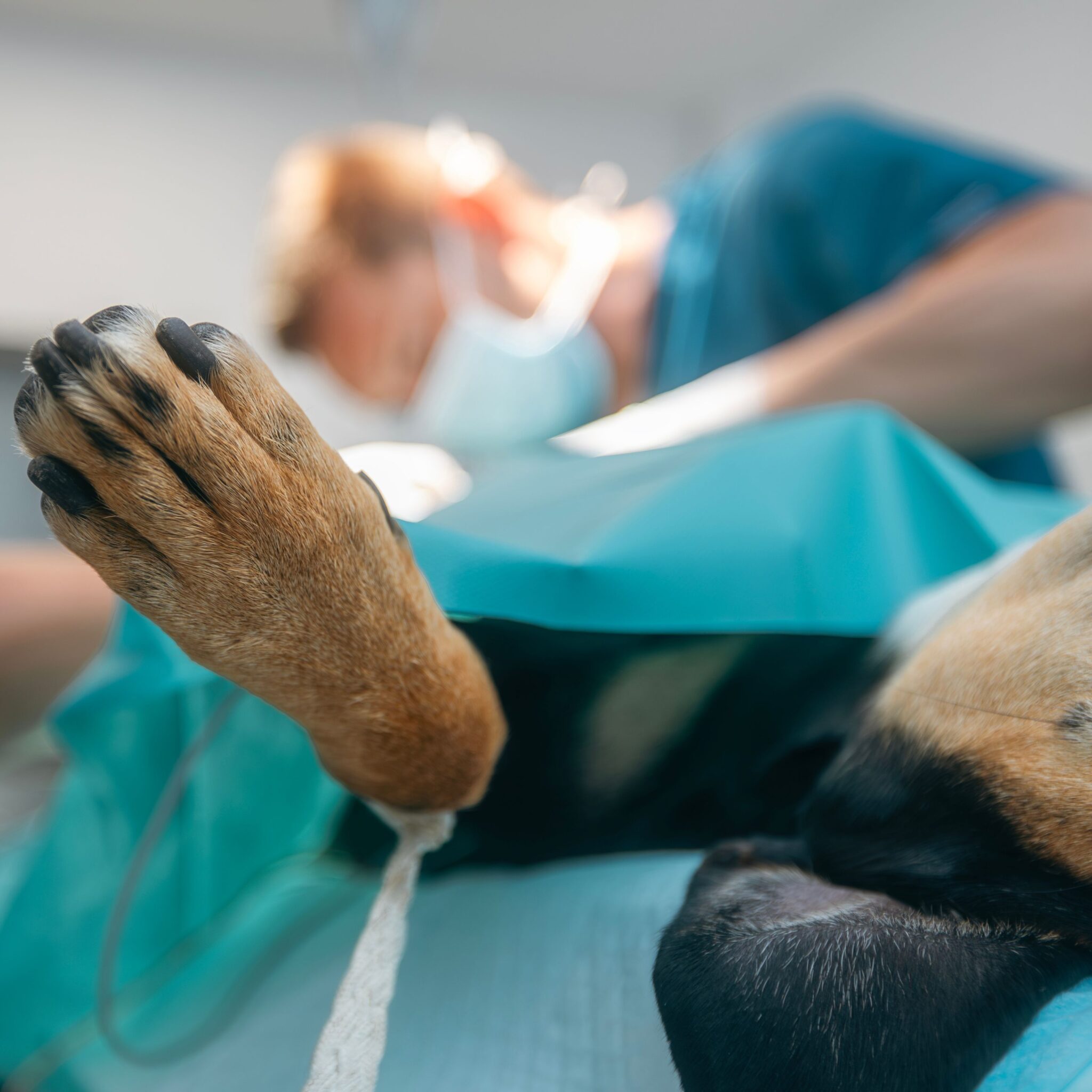
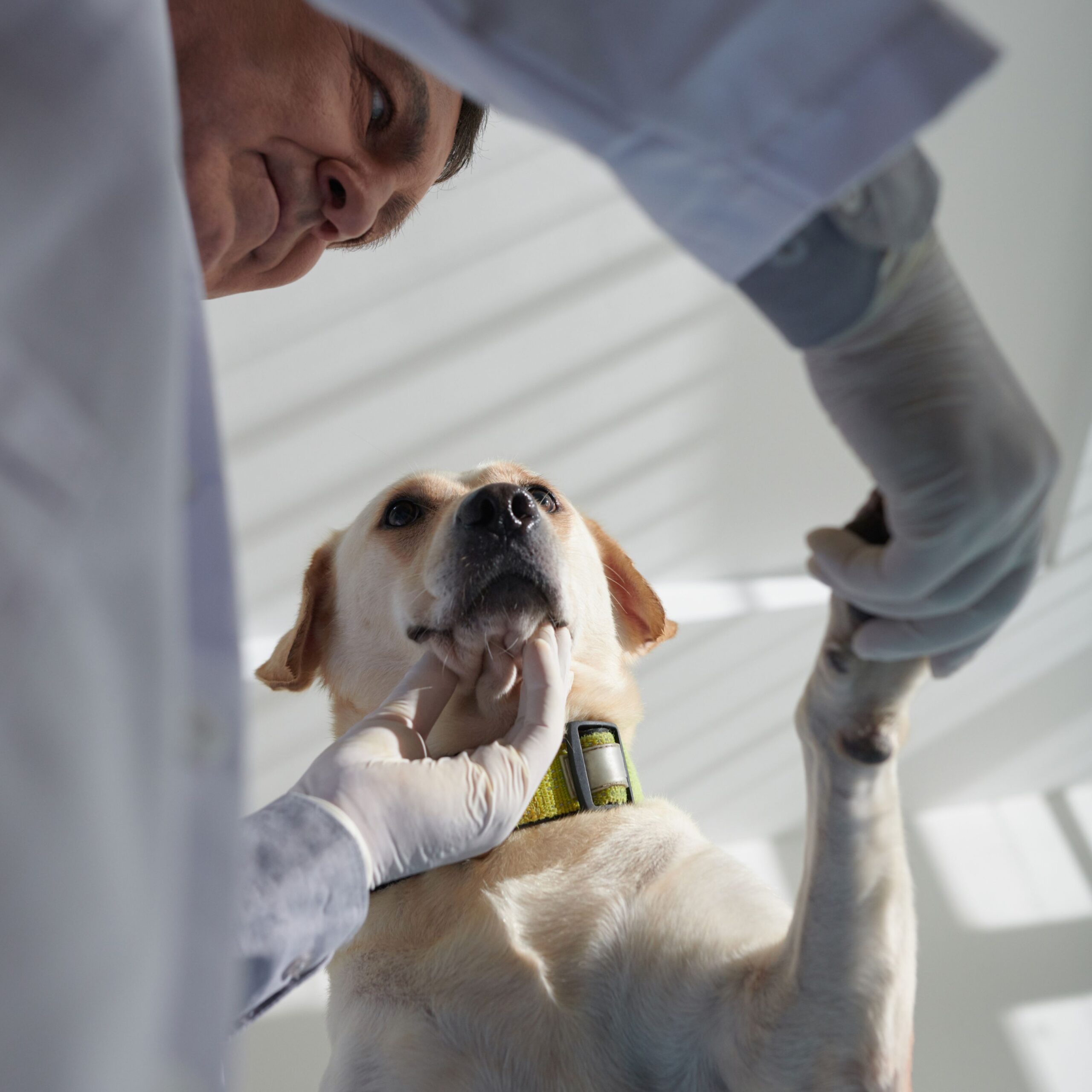
Orthopaedic surgery Melbourne veterinarian examining a dog with a hind leg injury

Expert orthopaedic surgery to restore mobility, reduce pain and help your pet return to an active, comfortable life.

Orthopaedic Surgery

Orthopaedic conditions can affect your pet’s mobility, comfort and quality of life. Whether your pet has suffered an injury or developed a bone or joint condition over time, timely diagnosis and treatment are essential for achieving the best possible outcome.

At Vets of Melbourne, we provide orthopaedic surgery for dogs, cats and selected small animals. Our experienced veterinary team works closely with you to develop an individual treatment plan that supports your pet’s recovery and long-term well-being.


Orthopaedic Surgery at Vets of Melbourne

When your pet is experiencing pain or difficulty moving, you want experienced veterinary care you can trust. At Vets of Melbourne, we’re committed to providing high-quality orthopaedic surgery supported by thorough diagnostics, personalised treatment plans and compassionate post-operative care.

From your pet’s initial assessment through to recovery, our team is here to help them regain comfort, mobility and quality of life.

Book an appointment with Vets of Melbourne to discuss your pet’s orthopaedic condition and treatment options.
dog getting an xray at vets of Melbourne
Pelvic Fractures
Dog with hip dislocation surgery in vets of melbourne
Hip Dislocation
Dog with a limb fracture getting treated at Vets of Melbourne
Limb Fractures
Dog receiving ACL treatment at Vets of Melbourne
ACL
Medial luxating patella treatment Melbourne veterinarian examining a dog with a knee injury
MLP
Patella tendon tear treatment Melbourne veterinarian examining a dog with a knee injury
Patella Tendon Tear

Orthopaedic surgery may be recommended to treat injuries or conditions affecting your pet’s bones, joints, ligaments and muscles.

Common reasons for orthopaedic surgery include:

  • Bone fractures
  • Cruciate ligament injuries
  • Patella (kneecap) luxation
  • Hip and joint conditions
  • Joint instability
  • Traumatic injuries
  • Bone deformities

Every pet is carefully assessed to determine whether surgery is the most appropriate treatment option.

If your pet is showing signs of pain or difficulty moving, an orthopaedic examination can help identify the underlying cause.

Common signs include:

  • Limping or lameness
  • Difficulty standing or sitting
  • Reluctance to run, jump or climb stairs
  • Swollen joints
  • Stiffness after rest
  • Pain when walking
  • Reduced activity levels
  • Difficulty bearing weight on a limb

If you notice any of these signs, it’s important to arrange a veterinary assessment as soon as possible.

What is orthopaedic surgery?

Orthopaedic surgery focuses on treating conditions affecting the bones, joints, ligaments and musculoskeletal system. It may be recommended for injuries, fractures or conditions that affect your pet’s mobility.

Will my pet need X-rays before surgery?

In many cases, yes. X-rays help diagnose orthopaedic conditions, assess the severity of injuries and assist with surgical planning.

How long does recovery take?

Recovery depends on the type of surgery and your pet’s individual condition. Some pets recover within several weeks, while more complex procedures may require a longer rehabilitation period.

Will my pet receive pain relief?

Yes. Pain management is an important part of every orthopaedic procedure. We provide appropriate pain relief before, during and after surgery to help keep your pet comfortable.

Can my pet return to normal activity after surgery?

Many pets return to an active lifestyle following successful treatment and rehabilitation. We’ll provide personalised guidance on when your pet can safely resume normal exercise.