
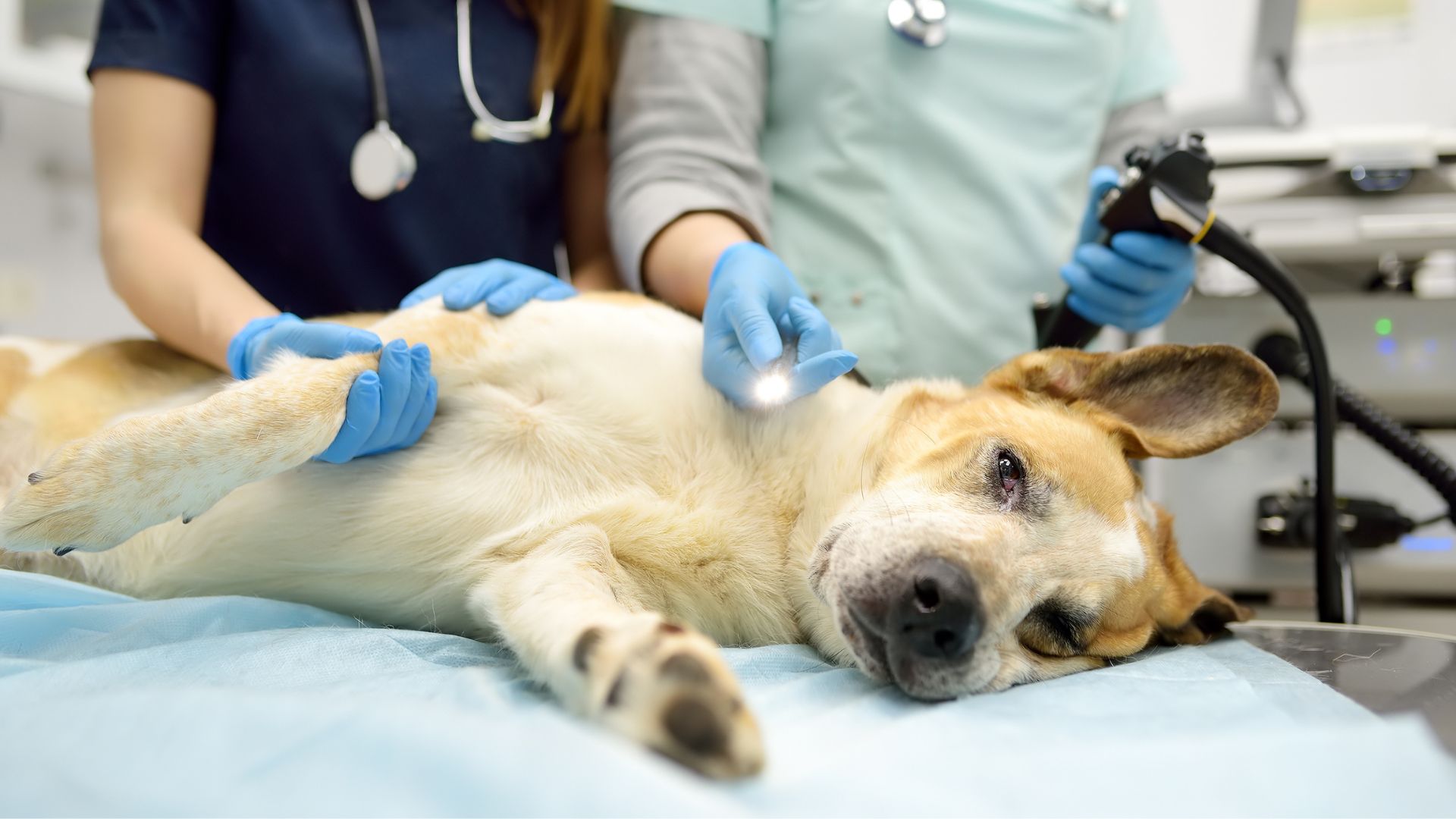
Helping dogs move comfortably again with expert diagnosis, orthopaedic surgery and personalised rehabilitation.
Medial Luxating Patella Treatment
A medial luxating patella (MPL), commonly known as a slipping kneecap, is one of the most frequently diagnosed orthopaedic conditions in dogs. It occurs when the kneecap moves out of its normal position, causing discomfort, limping and reduced mobility.
At Vets of Melbourne, we provide comprehensive assessment and treatment for medial luxating patella, ranging from conservative management to advanced orthopaedic surgery when required. Our experienced veterinary team will recommend a personalised treatment plan to help your dog regain comfort and mobility.
What Is a Medial Luxating Patella?
The patella, or kneecap, normally sits within a groove at the front of the knee joint. In dogs with medial luxating patella, the kneecap slips out of this groove towards the inside of the leg.
Some dogs experience only occasional discomfort, while others develop persistent lameness, pain and arthritis if the condition is left untreated.
Early diagnosis allows us to determine the most appropriate treatment and reduce the risk of long-term joint damage.
Diagnosing Medial Luxating Patella
Diagnosis begins with a thorough orthopaedic examination.
Depending on your dog’s condition, we may recommend:
- A comprehensive physical examination
- Orthopaedic assessment
- X-rays to evaluate the knee joint and identify any secondary changes
- Additional imaging if required for surgical planning
We’ll explain the severity of the condition and discuss the most appropriate treatment options for your dog.
Treatment Options
Treatment depends on the grade of the luxating patella, your dog’s age, activity level and overall health.
Treatment may include:
- Weight management
- Exercise modification
- Pain relief and anti-inflammatory medication
- Joint support where appropriate
- Orthopaedic surgery to stabilise the kneecap
For dogs with more advanced or persistent luxating patella, surgery is often recommended to improve joint stability and reduce discomfort.
Why Choose Vets of Melbourne for Medial Luxating Patella Treatment?
Our experienced veterinary team understands how mobility problems can affect your dog’s quality of life. We provide thorough orthopaedic assessments, modern surgical techniques and personalised recovery plans to help your pet achieve the best possible outcome.
From diagnosis to rehabilitation, we’re committed to supporting both you and your dog throughout every stage of treatment.
Book an appointment with Vets of Melbourne if your dog is showing signs of a slipping kneecap or has been diagnosed with a medial luxating patella.