
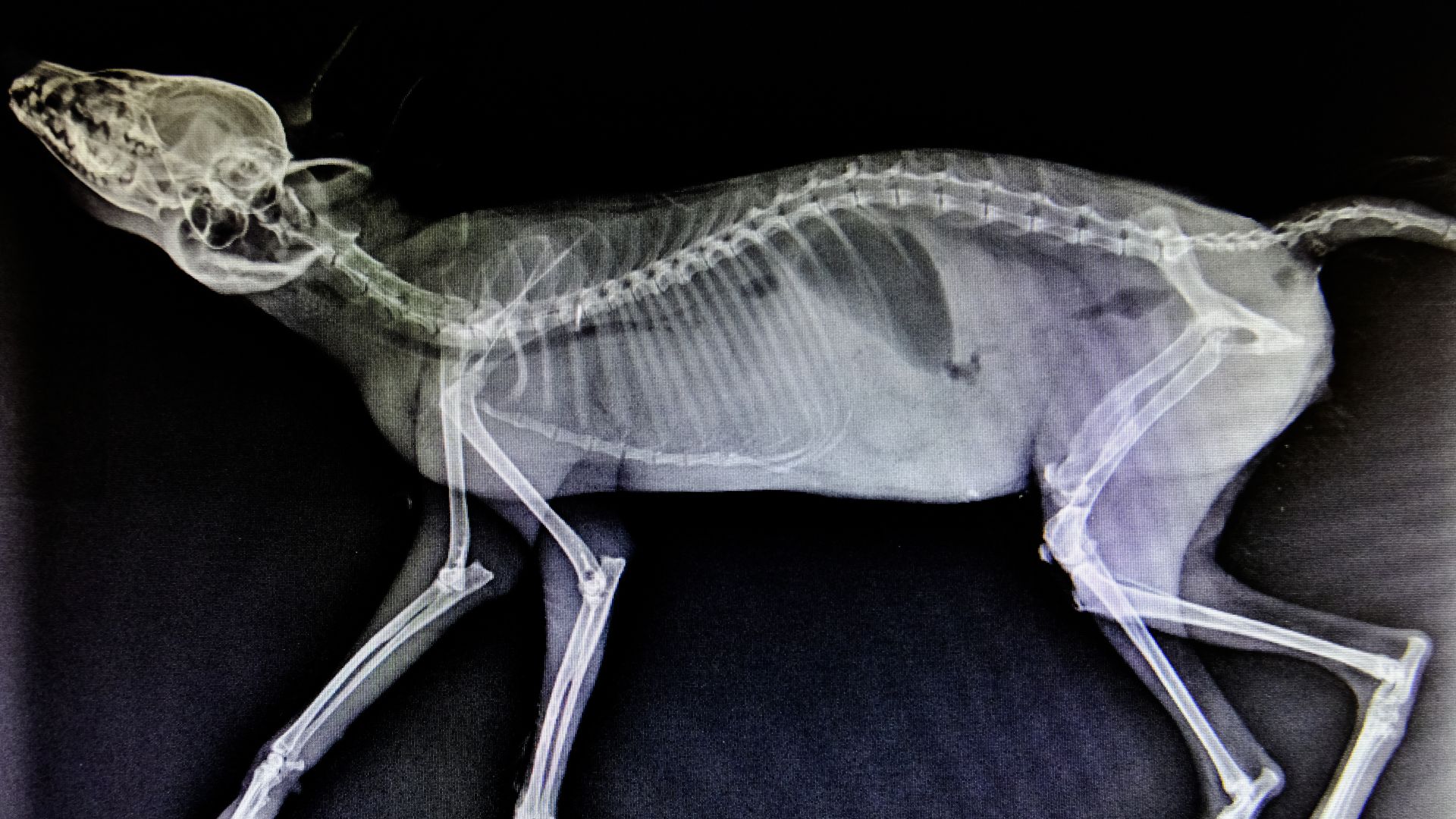
Fast, accurate digital X-ray imaging to help diagnose injuries, illness and orthopaedic conditions in pets.
Veterinary X-Ray Services
When your pet is injured or unwell, diagnostic imaging can provide valuable information that isn’t visible during a physical examination alone. Digital X-rays allow our veterinary team to assess bones, joints, the chest and abdomen quickly and accurately, helping us diagnose a wide range of conditions.
At Vets of Melbourne, we use modern digital X-ray technology to investigate illness, identify injuries and support treatment planning for dogs, cats and selected small animals. Our goal is to provide timely diagnoses so your pet can receive the most appropriate care as soon as possible.
Why Might My Pet Need an X-Ray?
Your veterinarian may recommend an X-ray to investigate unexplained symptoms, confirm a diagnosis or monitor your pet’s progress after treatment.
X-rays are commonly used to assess:
- Broken bones and fractures
- Joint injuries and arthritis
- Hip and elbow conditions
- Chest and lung abnormalities
- Heart size and shape
- Foreign object ingestion
- Abdominal conditions
- Bladder stones
- Dental conditions
- Pre-surgical planning
Digital X-rays provide detailed images that help our veterinarians make informed decisions about your pet’s care.
Digital X-Ray Technology
At Vets of Melbourne, we use digital X-ray equipment to produce high-quality images quickly and efficiently.
Digital imaging offers several advantages, including:
- Faster image capture
- High-resolution images
- Immediate image review
- Improved diagnostic accuracy
- Reduced waiting times
This allows our veterinary team to assess your pet’s condition promptly and discuss the next steps with you during your visit whenever possible.
Why Choose Vets of Melbourne for Veterinary X-Rays?
At Vets of Melbourne, we combine modern digital imaging technology with compassionate veterinary care to help diagnose health concerns quickly and accurately.
Whether your pet has suffered an injury, is showing signs of illness or requires imaging as part of a surgical work-up, our experienced team is committed to providing personalised care and clear communication throughout the diagnostic process.
Book an appointment with Vets of Melbourne to discuss whether veterinary X-rays are the right diagnostic test for your pet.