
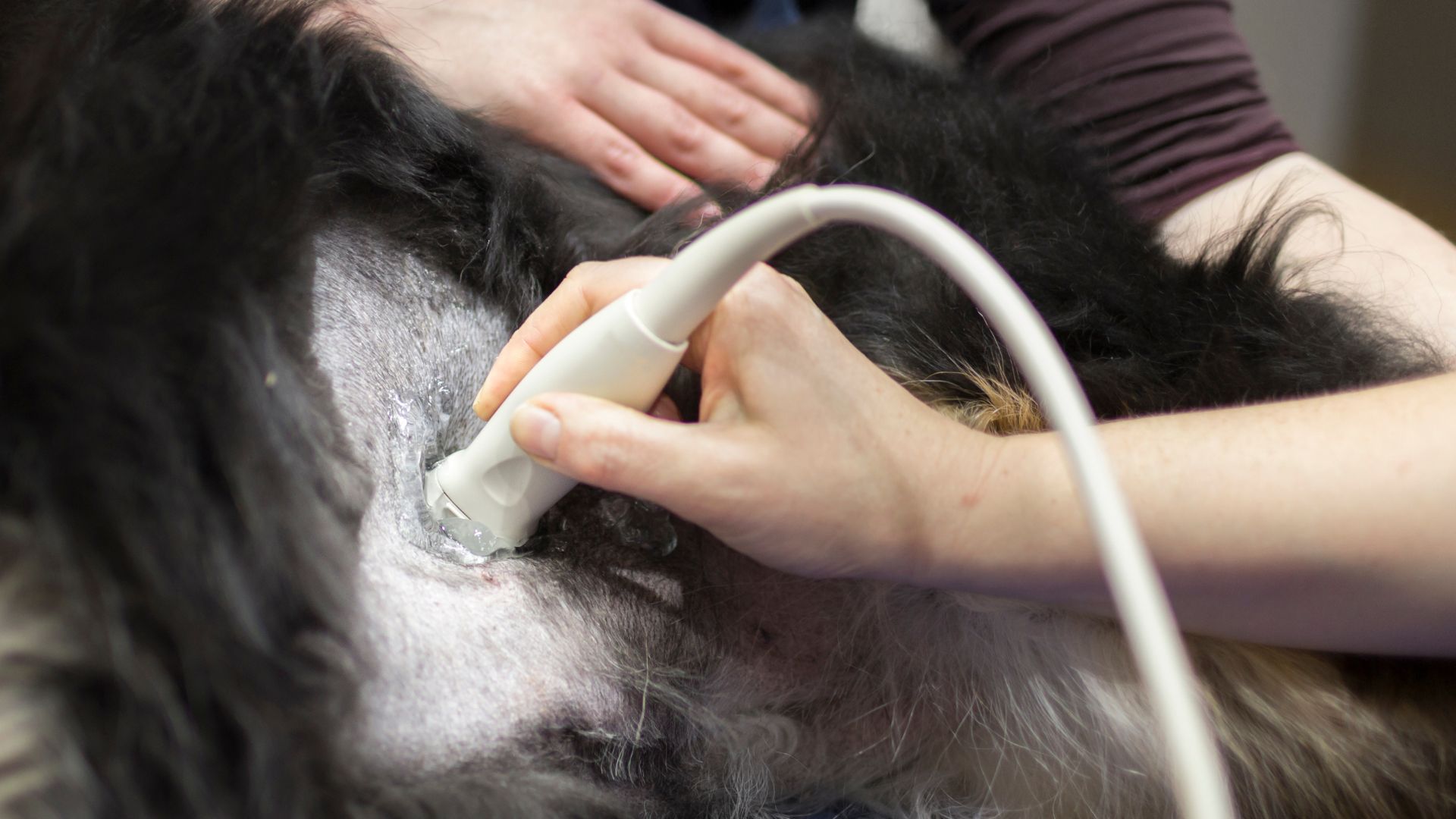
Advanced ultrasound imaging to help diagnose illness, monitor internal health and guide treatment for your pet.
Veterinary Ultrasound at Vets of Melbourne
When your pet is unwell, finding answers quickly is essential. Veterinary ultrasound is a safe, non-invasive imaging technique that allows our veterinarians to examine internal organs and soft tissues in real time, helping us diagnose a wide range of medical conditions.
At Vets of Melbourne, we use advanced ultrasound technology to investigate abdominal, urinary, reproductive and other internal health concerns in dogs, cats and selected small animals. Ultrasound provides valuable information that helps us develop the most appropriate treatment plan for your pet.
Why Might My Pet Need an Ultrasound?
Your veterinarian may recommend an ultrasound if your pet is showing signs of illness or if further investigation is needed after a physical examination or blood tests.
An ultrasound may help investigate:
- Vomiting or diarrhoea
- Unexplained weight loss
- Abdominal pain
- Changes in appetite
- Urinary problems
- Pregnancy assessment
- Lumps or internal masses
- Liver, kidney or bladder disease
- Heart or abdominal abnormalities
Because ultrasound provides real-time images, it allows us to evaluate many organs without the need for exploratory surgery.
Is an Ultrasound Safe?
Yes. Ultrasound is a safe, painless and non-invasive diagnostic procedure that uses sound waves rather than radiation to create images of internal structures.
Because it does not involve radiation, ultrasound can often be repeated when ongoing monitoring is required.
Why Choose Vets of Melbourne for Veterinary Ultrasound?
At Vets of Melbourne, we combine modern diagnostic technology with compassionate veterinary care to help identify health concerns as early as possible.
Whether your pet requires an ultrasound to investigate illness, monitor an existing condition or support a treatment plan, our experienced team is committed to providing clear communication and personalised care throughout the process.
Book an appointment with Vets of Melbourne to discuss whether a veterinary ultrasound is the right diagnostic test for your pet.