
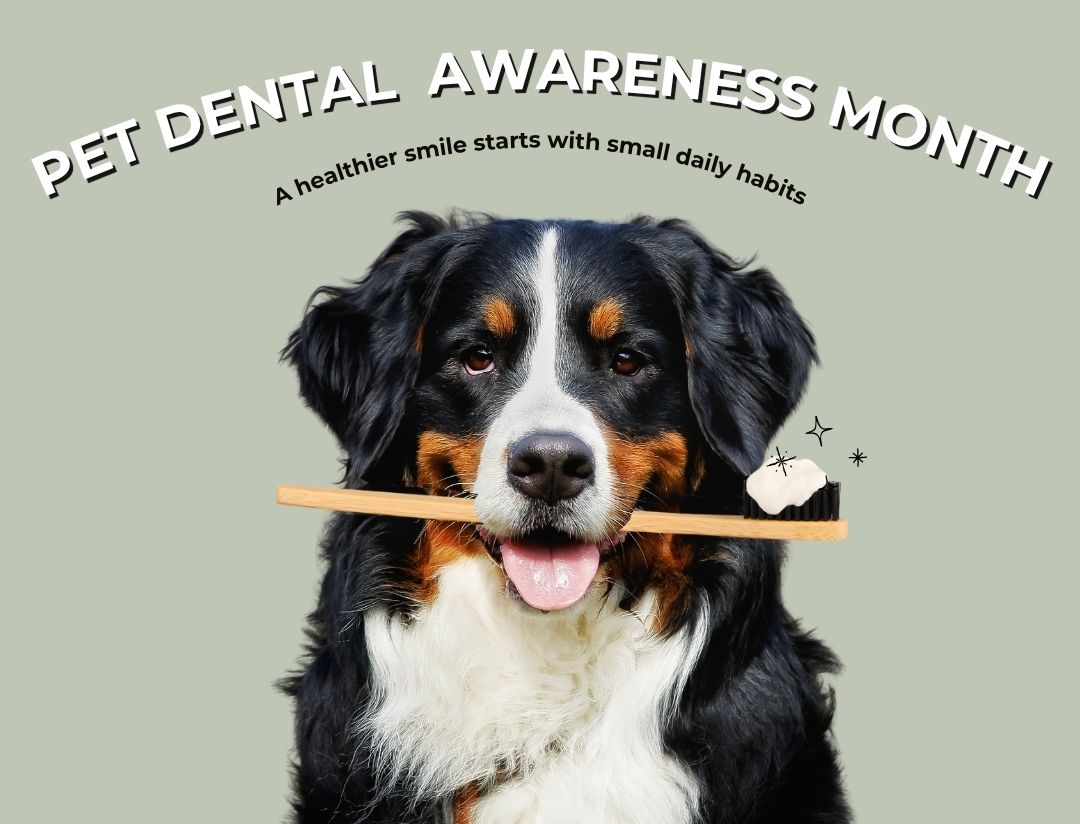
A veterinarian explains why dental care matters and how to keep your dog’s mouth healthy
By Dr Nicole Rous
When we think about keeping our dogs healthy, we often focus on nutrition, exercise and preventative care. However, one of the most common health problems we see in veterinary practice is also one of the most overlooked: dental disease.
In fact, it’s estimated that by the age of three, most dogs have some degree of dental disease. While bad breath is often the first sign owners notice, dental disease can progress silently, causing pain, inflammation and even affecting other parts of the body if left untreated.
This Dental Health Month, it’s a great opportunity to take a closer look at your dog’s oral health and understand why prevention is so important.
What is dental disease?
Dental disease, also known as periodontal disease, begins with plaque—a sticky film of bacteria that forms on the teeth after eating.
If plaque isn’t removed through regular brushing or chewing, it hardens into tartar. Over time, bacteria build up beneath the gumline, leading to inflammation of the gums (gingivitis) and eventually damage to the tissues and bone supporting the teeth.
Without treatment, this process can result in loose teeth, chronic pain and tooth loss.
Signs your dog may have dental disease
Dogs are remarkably good at hiding discomfort, so dental disease can be more advanced than owners realise before obvious signs appear.
Common symptoms include:
-
Bad breath
-
Yellow or brown tartar on the teeth
-
Red, swollen or bleeding gums
-
Difficulty chewing
-
Dropping food while eating
-
Preferring softer foods
-
Pawing at the mouth
-
Reduced interest in toys or chews
Some dogs continue eating despite significant dental pain, so don’t assume their teeth are healthy simply because they still have a good appetite.
Why dental health is about more than bad breath
While unpleasant breath is often what prompts owners to book an appointment, dental disease is much more than a cosmetic issue.
Ongoing inflammation and infection in the mouth can cause chronic pain and may contribute to systemic inflammation throughout the body. Research in both human and veterinary medicine continues to explore the links between oral health and overall wellbeing.
The earlier dental disease is identified, the easier it is to manage—and the more comfortable your dog is likely to be.
Can dental disease be prevented?
The good news is that many cases of dental disease can be slowed with consistent preventative care.
The gold standard is daily tooth brushing using a dog-specific toothpaste. Although this may sound daunting, many dogs learn to accept brushing when introduced gradually and rewarded positively.
Other ways to support your dog’s oral health include:
-
Veterinary-approved dental diets where appropriate
-
Dental chews with proven plaque-reducing benefits
-
Regular oral examinations during routine veterinary visits
-
Professional dental assessments and cleans when recommended
No single product replaces brushing, but a combination of good home care and veterinary support can make a significant difference.
Where do dental supplements fit in?
Alongside brushing and professional dental care, some owners choose to include oral health supplements as part of their dog’s daily routine.
Products such as the Shy Tiger Dental Range are designed to complement an overall dental care plan by supporting oral hygiene and helping maintain a healthy mouth. While these products are not a substitute for brushing or professional dental treatment, they can be a convenient addition for dogs that need extra support or owners looking to build a consistent oral care routine.
The most effective dental care plan is one that’s practical, sustainable and tailored to your dog’s individual needs.
When does my dog need a professional dental clean?
Even with excellent home care, some dogs will still require professional dental treatment.
A veterinary dental procedure allows us to thoroughly examine the mouth, take dental X-rays if needed, clean below the gumline and treat any diseased teeth that cannot be saved.
Your veterinarian may recommend a dental procedure if your dog has:
-
Significant tartar build-up
-
Inflamed or bleeding gums
-
Loose or damaged teeth
-
Persistent bad breath
-
Pain when eating
-
Advanced periodontal disease
Regular dental checks help determine the right timing for treatment before problems become more serious.
Dental Health Month is the perfect time for a check-up
Dental Health Month is a reminder that oral health is an important part of your dog’s overall well-being.
Whether your dog is a playful puppy or a senior companion, regular dental assessments can help detect problems early and keep them comfortable for years to come.
If you’ve noticed bad breath, tartar or changes in your dog’s eating habits, it’s worth booking a dental examination. Sometimes, a simple check-up can prevent more significant problems down the track.
Final thoughts
Healthy teeth do more than keep your dog’s smile looking good they support comfort, nutrition and quality of life.
By combining regular veterinary dental checks with good home care, you can help reduce the risk of periodontal disease and keep your dog’s mouth healthy throughout every stage of life.
This Dental Health Month, take a moment to check your dog’s teeth. Their mouth may be telling you more than you realise.