
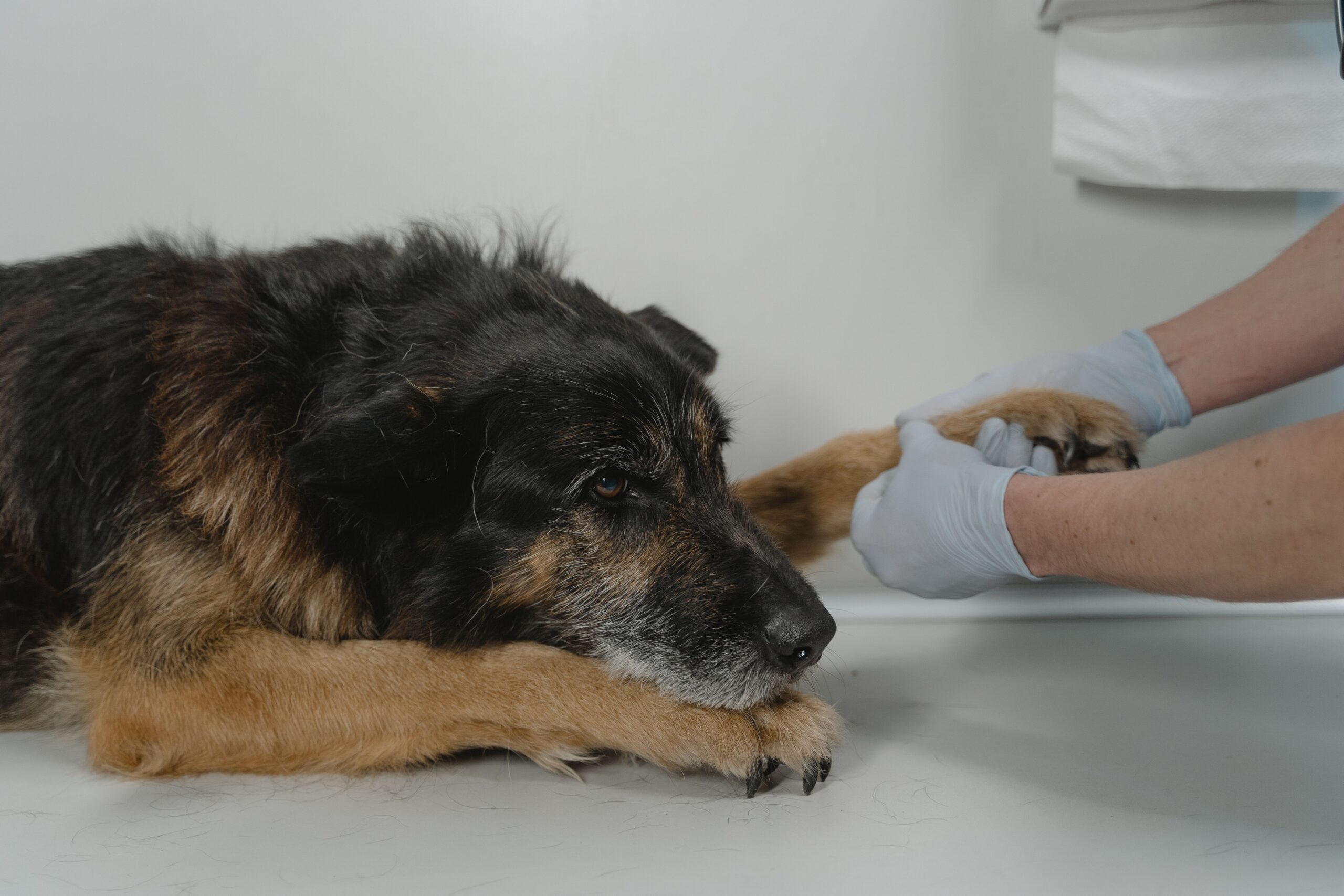
Helping dogs regain comfort and mobility with expert diagnosis, cruciate ligament surgery and personalised rehabilitation.
ACL Surgery
A torn ACL is one of the most common orthopaedic injuries seen in dogs. In veterinary medicine, this injury is more accurately known as a cranial cruciate ligament (CCL) rupture. The cranial cruciate ligament plays an important role in stabilising the knee joint, and when it becomes damaged, it can cause pain, limping and difficulty walking.
At Vets of Melbourne, we provide comprehensive diagnosis and treatment for ACL (CCL) injuries. Our experienced veterinary team will assess your dog’s condition and recommend the most appropriate treatment to restore comfort, stability and mobility.
What Is an ACL (CCL) Injury?
The cranial cruciate ligament helps keep your dog’s knee stable during movement. When this ligament tears or ruptures, the knee becomes unstable, making walking painful and increasing the risk of arthritis if left untreated.
ACL injuries may occur suddenly after exercise or develop gradually as the ligament weakens over time.
Early diagnosis and treatment often lead to better long-term outcomes.
Diagnosing an ACL Injury
Diagnosing a cruciate ligament injury begins with a thorough orthopaedic examination.
Depending on your dog’s condition, we may recommend:
- A physical examination
- Orthopaedic assessment
- X-rays to assess the knee joint and rule out other conditions
- Additional diagnostic imaging where appropriate
A complete assessment allows us to determine the severity of the injury and recommend the most suitable treatment plan.
ACL Surgery at Vets of Melbourne
Watching your dog struggle with a knee injury can be worrying, but early diagnosis and appropriate treatment can make a significant difference.
At Vets of Melbourne, we combine thorough orthopaedic assessment, modern surgical techniques and personalised rehabilitation plans to help dogs recover as safely and comfortably as possible.
Whether your dog has recently developed a limp or has been diagnosed with a cruciate ligament injury, our experienced veterinary team is here to guide you through every step of treatment and recovery.
Book an appointment with Vets of Melbourne to discuss diagnosis and treatment options for your dog’s ACL (cranial cruciate ligament) injury.