
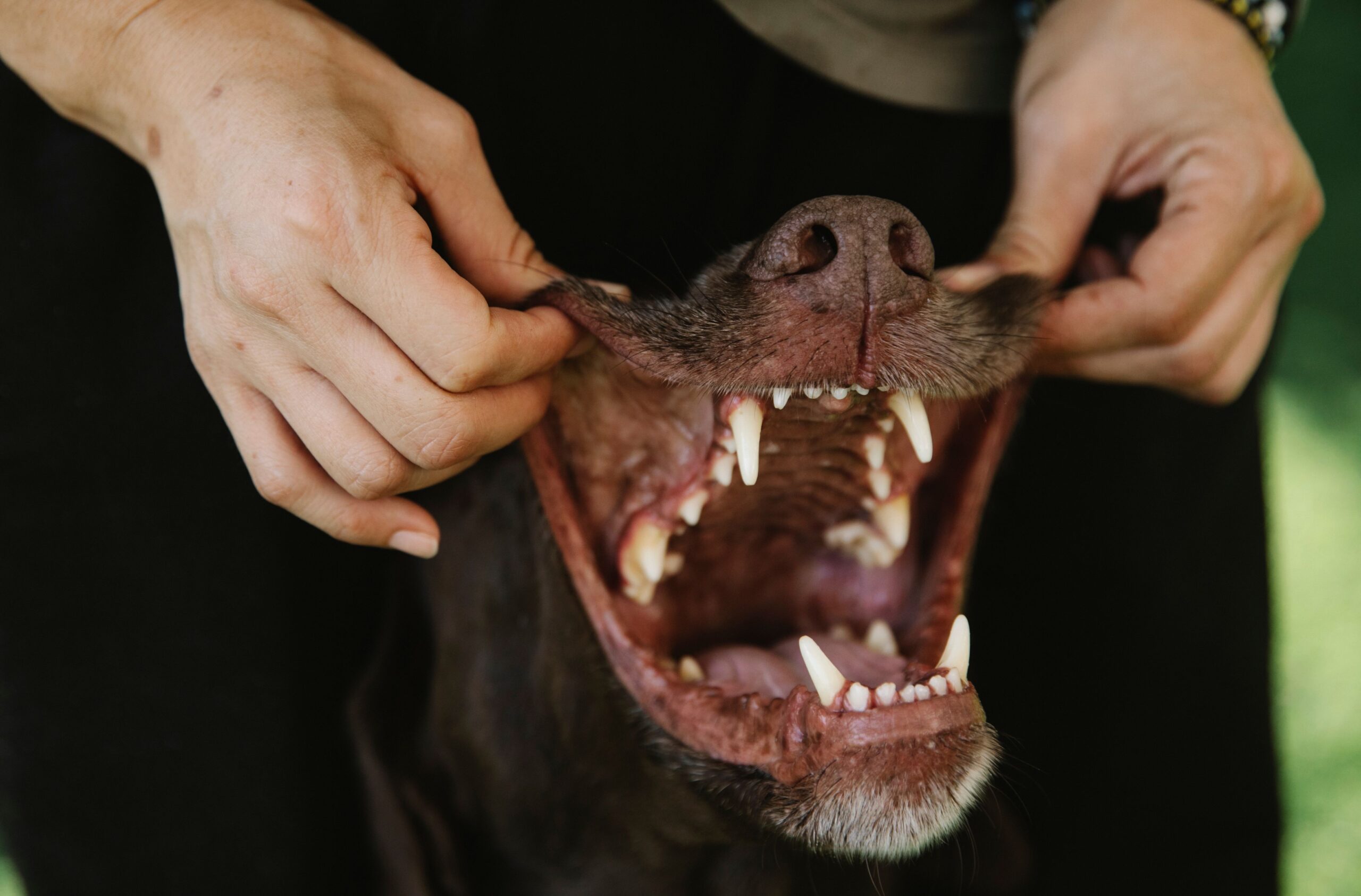
A veterinarian explains why oral health matters long before you notice bad breath
By Dr Nicole Rous
When most people think about their dog’s health, they often focus on nutrition, exercise, vaccinations and parasite prevention. Dental care, however, is one aspect of wellbeing that is frequently overlooked until a problem becomes obvious.
The reality is that oral health is closely linked to your dog’s comfort, quality of life and overall wellbeing. Dental disease is one of the most common conditions seen in veterinary practice, yet it often develops gradually and silently.
The good news is that with regular veterinary care and simple home habits, many dental problems can be prevented or managed before they become painful.
Your Dog Won’t Tell You Their Teeth Hurt
Dogs are incredibly good at adapting to discomfort. Unlike people, they rarely stop eating because of dental pain, which can make it difficult to recognise when something is wrong.
Many owners are surprised to learn that a dog with advanced dental disease may continue eating normally while living with significant discomfort.
Instead of obvious signs, you may notice subtle changes such as:
-
Reluctance to chew hard treats
-
Taking longer to finish meals
-
Preferring one side of the mouth
-
Less interest in toys or games that involve chewing
-
Bad breath that gradually worsens
-
Drooling more than usual
These small changes are often mistaken for ageing, when they may actually indicate dental disease.
Why Healthy Teeth Matter Beyond the Mouth
Your dog’s mouth is the gateway to the rest of their body.
When plaque and bacteria accumulate around the teeth and gums, they can trigger ongoing inflammation. Left untreated, this inflammation damages the structures supporting the teeth, leading to periodontal disease.
As periodontal disease progresses, dogs may experience:
-
Painful gums
-
Loose or damaged teeth
-
Difficulty chewing
-
Tooth root infections
-
Chronic inflammation within the mouth
Maintaining good oral health helps support your dog’s comfort and allows them to eat, play and interact normally throughout life.
Prevention Is Easier Than Treatment
One of the biggest advantages of good dental care is that prevention is often much simpler and more affordable than treating advanced disease.
Just like in people, plaque begins forming on your dog’s teeth every day. If it’s removed regularly, it is less likely to harden into tartar and contribute to gum disease.
Building a consistent dental routine early in life can significantly reduce the progression of dental disease over time.
What Does Good Dental Care Look Like?
There isn’t one single solution to keeping your dog’s teeth healthy. Instead, it’s about combining a number of preventative strategies.
These may include:
-
Daily or regular tooth brushing using a dog-specific toothpaste
-
Routine veterinary dental examinations
-
Veterinary-approved dental chews where appropriate
-
Dental diets recommended by your veterinarian
-
Professional dental cleaning when indicated
Your veterinarian can help tailor a dental care plan based on your dog’s breed, age and individual needs.
Small Daily Habits Make a Big Difference
Many owners assume that brushing their dog’s teeth is difficult, but with patience and positive reinforcement, most dogs can learn to accept it.
Even brushing a few times each week is often better than not brushing at all.
The key is consistency. Establishing a routine while your dog is young can make dental care much easier throughout their life, but it’s never too late to start.
Can Supplements Support Dental Health?
Dental supplements can also play a supportive role as part of a broader oral care routine.
Products such as the Shy Tiger Dental Range are designed to complement regular brushing and veterinary dental care by helping support everyday oral hygiene. While they aren’t a replacement for professional treatment or good home care, they may be a helpful addition for dogs that need extra support maintaining a healthy mouth.
The most effective approach is one that combines multiple evidence-informed strategies rather than relying on a single product.
When Should Your Dog Have a Dental Check?
We recommend that your dog’s mouth is examined during their routine veterinary health checks, even if you haven’t noticed any obvious problems.
Regular dental assessments allow us to identify early signs of disease before they become painful or require more extensive treatment.
If your dog has persistent bad breath, visible tartar, bleeding gums or changes in eating behaviour, it’s worth arranging an appointment sooner rather than later.
Final Thoughts
Dental disease is common, but it doesn’t have to be inevitable.
By making oral care part of your dog’s regular health routine, you can help reduce discomfort, preserve healthy teeth and improve their quality of life as they age.
This Dental Health Month, take a few moments to check your dog’s teeth and gums—or better yet, book a dental health check with your veterinarian. Preventative care today can make a significant difference to your dog’s health tomorrow.