
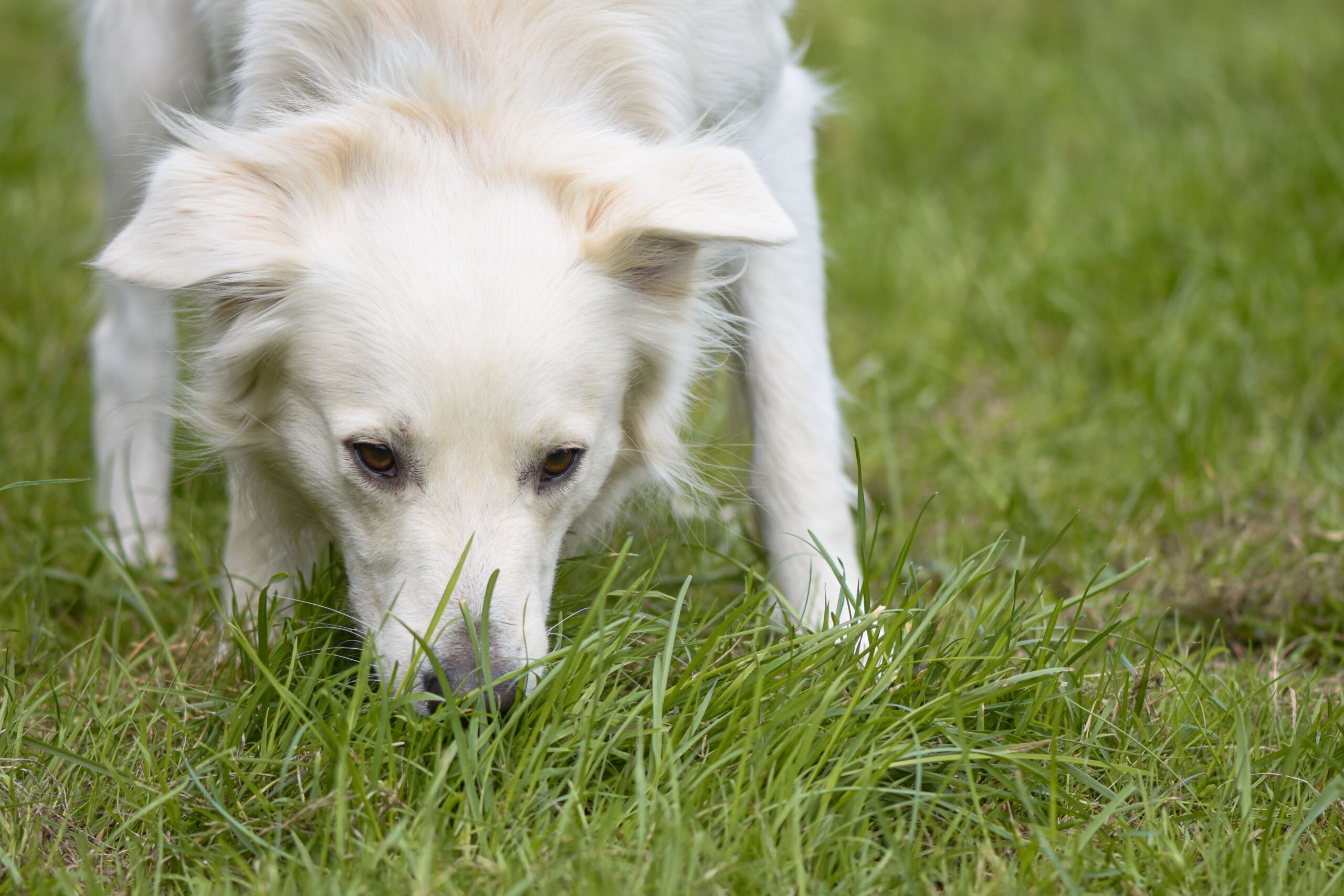
A veterinarian explains why dogs eat grass, when it’s normal, and when it may indicate an underlying health issue
By Dr Nicole Rous
Many dog owners have watched their pet wander into the backyard, take a few bites of grass and wondered, “Why do they do that?”
It’s one of the most common questions we hear in clinic. While eating grass is often harmless, it can sometimes be a sign that something else is going on.
The good news is that, in most cases, occasional grass eating is considered a normal canine behaviour. However, if it becomes frequent or is accompanied by vomiting, diarrhoea or changes in appetite, it’s worth investigating further.
Is it normal for dogs to eat grass?
Yes. Many healthy dogs eat grass from time to time, and for most, it doesn’t lead to any health problems.
Researchers still don’t fully understand why dogs eat grass, but several theories have been suggested. These include instinctive behaviour inherited from wild ancestors, curiosity, boredom, or simply enjoying the taste or texture of grass.
Interestingly, studies have found that most dogs appear healthy before eating grass and do not vomit afterwards, suggesting the behaviour is usually normal rather than an attempt to make themselves sick.
Does eating grass mean my dog has an upset stomach?
Not necessarily.
One of the biggest myths is that dogs eat grass to make themselves vomit. While some dogs do vomit after eating grass, this appears to be the exception rather than the rule.
If your dog suddenly starts eating large amounts of grass, particularly alongside vomiting, diarrhoea, lethargy or reduced appetite, it’s important not to assume the grass is the cause. These signs may indicate an underlying illness that requires veterinary assessment.
Could diet play a role?
A complete and balanced diet should provide all the nutrients your dog needs, so grass eating isn’t generally linked to nutritional deficiencies.
However, digestive discomfort can sometimes influence behaviour. Dogs experiencing food sensitivities, chronic gastrointestinal upset or other digestive issues may develop unusual eating habits, including an increased interest in grass or other non-food items.
Rather than focusing only on the behaviour itself, we look at the bigger picture, including diet, digestive health and any accompanying clinical signs.
Could the gut microbiome be involved?
The gut microbiome is made up of trillions of bacteria and other microorganisms that naturally live within your dog’s digestive tract. These microbes play an important role in digestion, immune function and maintaining a healthy gut environment.
There is currently no evidence that an imbalance in the gut microbiome directly causes dogs to eat grass. However, dogs with ongoing digestive problems may benefit from a more comprehensive assessment of their gut health.
At Vets of Melbourne, we work with i-screenPets Gut Microbiome Testing as part of an evidence-informed approach for selected patients with chronic digestive issues, food sensitivities or complex health concerns. While microbiome testing isn’t necessary for every dog, it can provide additional insights to help guide personalised nutrition and long-term health management.
When should you be concerned?
Occasional grass eating is usually nothing to worry about. However, it’s worth booking a veterinary appointment if your dog:
-
Suddenly begins eating grass excessively
-
Vomits frequently after eating grass
-
Has diarrhoea or ongoing digestive upset
-
Shows a reduced appetite
-
Appears lethargic or uncomfortable
-
Starts eating other non-food items such as rocks, soil or plastic
These behaviours may indicate an underlying gastrointestinal condition or another medical issue that should be investigated.
Can you stop your dog from eating grass?
If your dog occasionally nibbles on clean, untreated grass and is otherwise healthy, there’s generally no need to stop them.
However, avoid allowing your dog to eat grass that has been treated with pesticides, herbicides or fertilisers, as these chemicals can be harmful.
Providing regular exercise, mental enrichment and a balanced diet may also help reduce grass eating in dogs that are simply bored or looking for stimulation.
Final thoughts
For most dogs, eating grass is a normal behaviour and not a cause for concern.
The key is looking at the whole picture. If your dog is otherwise bright, active and healthy, occasional grass eating is unlikely to indicate a serious problem. However, if the behaviour becomes excessive or is accompanied by digestive signs or other changes in health, it’s worth discussing with your veterinarian.
Understanding what’s normal for your dog and recognising when something changes is one of the best ways to support their long-term health.