
Why Is My Dog Drinking Too Much Water?
By Dr Nicole Rous
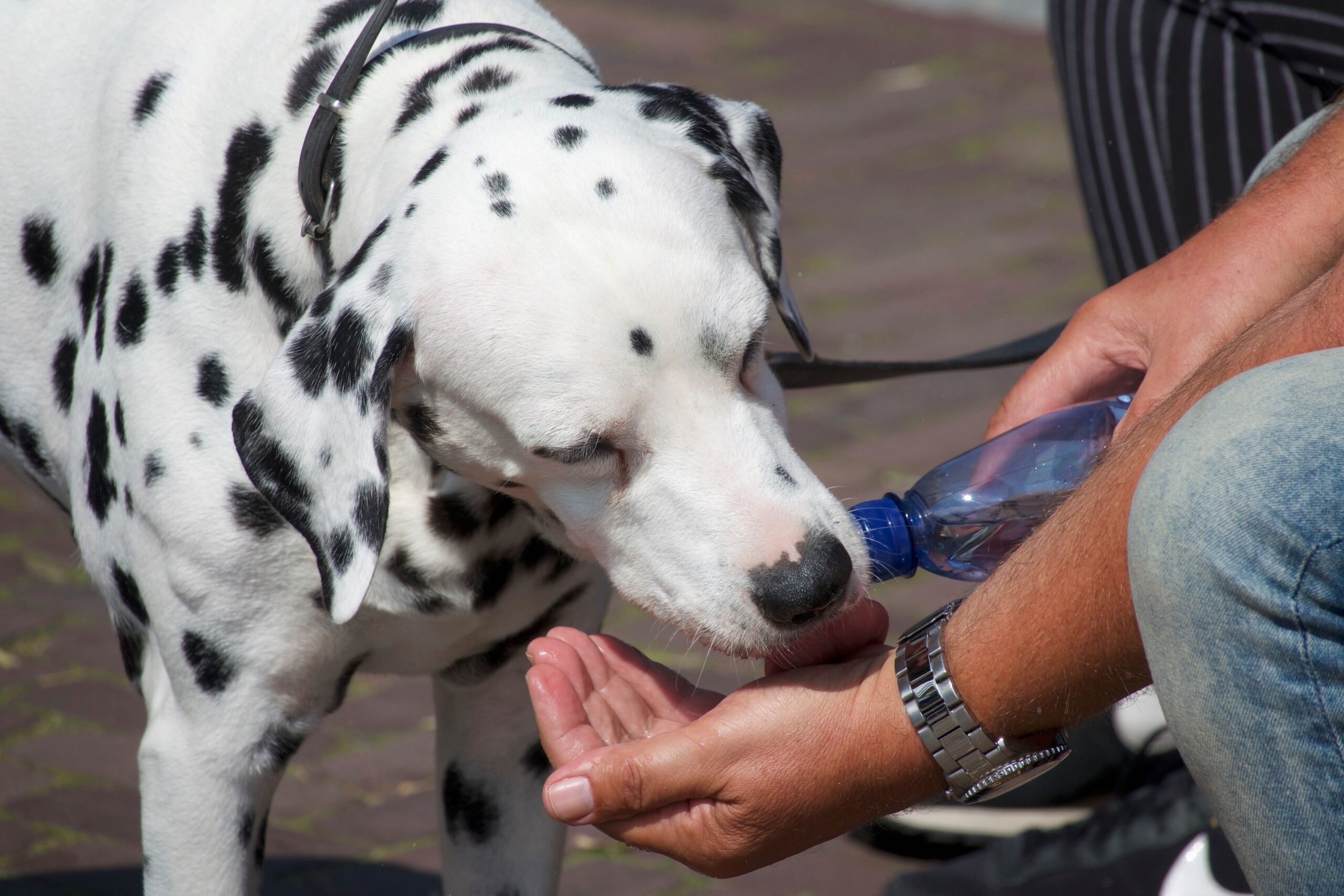
It’s a hot day, your dog has just come back from a long walk, and their water bowl is empty within minutes. In many cases, increased drinking is completely normal.
But what if your dog seems to be drinking excessively every day? Or you’re filling the water bowl far more often than you used to? You ask yourself why is my dog drinking so much water?
At Vets of Melbourne, one of the subtle signs we encourage owners to monitor is a change in water intake. While excessive thirst can sometimes have a simple explanation, it can also be an early indicator of an underlying medical condition that benefits from prompt investigation.
How much water should a dog drink?
The amount of water a dog needs varies depending on factors such as:
-
Their size
-
Diet (dry food versus fresh or wet food)
-
Activity level
-
Weather
-
Age
As a general guide, healthy dogs typically drink around 50–60 mL of water per kilogram of body weight each day. However, individual needs can vary.
Rather than focusing on an exact number, it’s often more helpful to notice whether your dog’s drinking habits have changed.
When is increased thirst normal?
There are plenty of situations where drinking more water is expected.
Your dog may naturally drink more after:
-
Exercise
-
Warm or humid weather
-
Eating dry kibble
-
Playing for extended periods
-
Recovering from mild dehydration
These changes are usually temporary, and your dog’s water intake should return to normal once they’ve recovered.
When should you be concerned?
If your dog is consistently emptying their water bowl, waking overnight to drink, or asking to go outside to urinate much more frequently than usual, it’s worth booking a veterinary appointment.
Excessive thirst, also known as polydipsia, is often accompanied by increased urination.
Together, these signs can indicate a range of medical conditions.
What health problems can cause excessive thirst?
Several conditions may cause dogs to drink more water than usual, including:
Kidney disease
The kidneys play a vital role in conserving water and filtering waste products. As kidney function declines, affected dogs often drink and urinate more.
Early diagnosis can help slow disease progression and improve quality of life.
Diabetes mellitus
Dogs with diabetes are unable to regulate blood glucose effectively. One of the earliest signs is often increased thirst, along with increased urination, weight loss and changes in appetite.
Cushing’s disease
Cushing’s disease occurs when the body produces excessive cortisol.
Common signs include:
-
Increased thirst
-
Increased urination
-
A larger appetite
-
Panting
-
A pot-bellied appearance
-
Thinning of the coat
Urinary tract infections
Some urinary tract infections can cause dogs to drink more frequently due to irritation of the bladder.
Liver disease and other hormonal conditions
Although less common, liver disease and certain hormonal disorders can also affect your dog’s thirst.
Because many conditions share similar symptoms, further testing is often needed to determine the underlying cause.
What will your veterinarian do?
If your dog has developed excessive thirst, your veterinarian will usually begin with a thorough history and physical examination.
Depending on the findings, they may recommend:
-
Blood tests
-
Urine testing
-
Blood pressure measurement
-
Imaging, such as ultrasound or X-rays
These investigations help identify the cause so that appropriate treatment can begin.
Should you limit your dog’s water?
No.
If your dog is drinking excessively, it’s important not to restrict their access to water unless specifically instructed by your veterinarian.
Limiting water intake can lead to dehydration and may worsen certain medical conditions.
Instead, continue providing fresh water while arranging a veterinary assessment.
When should you book an appointment?
You should contact your veterinarian if your dog:
-
Is drinking significantly more than usual
-
Needs to urinate much more frequently
-
Has accidents indoors despite being house trained
-
Is losing weight
-
Seems lethargic
-
Has changes in appetite alongside increased thirst
These signs don’t always indicate a serious illness, but they do warrant investigation. Should you wish to book a consult with us, please contact us here.
Final thoughts
Changes in your dog’s drinking habits can provide valuable clues about their health.
While increased thirst is sometimes a normal response to exercise or warm weather, persistent changes should never be ignored. Many of the conditions associated with excessive drinking are far easier to manage when diagnosed early.
If you’ve noticed your dog drinking more water than usual, a veterinary assessment can help determine whether it’s simply a temporary change or a sign that something else is going on beneath the surface.