
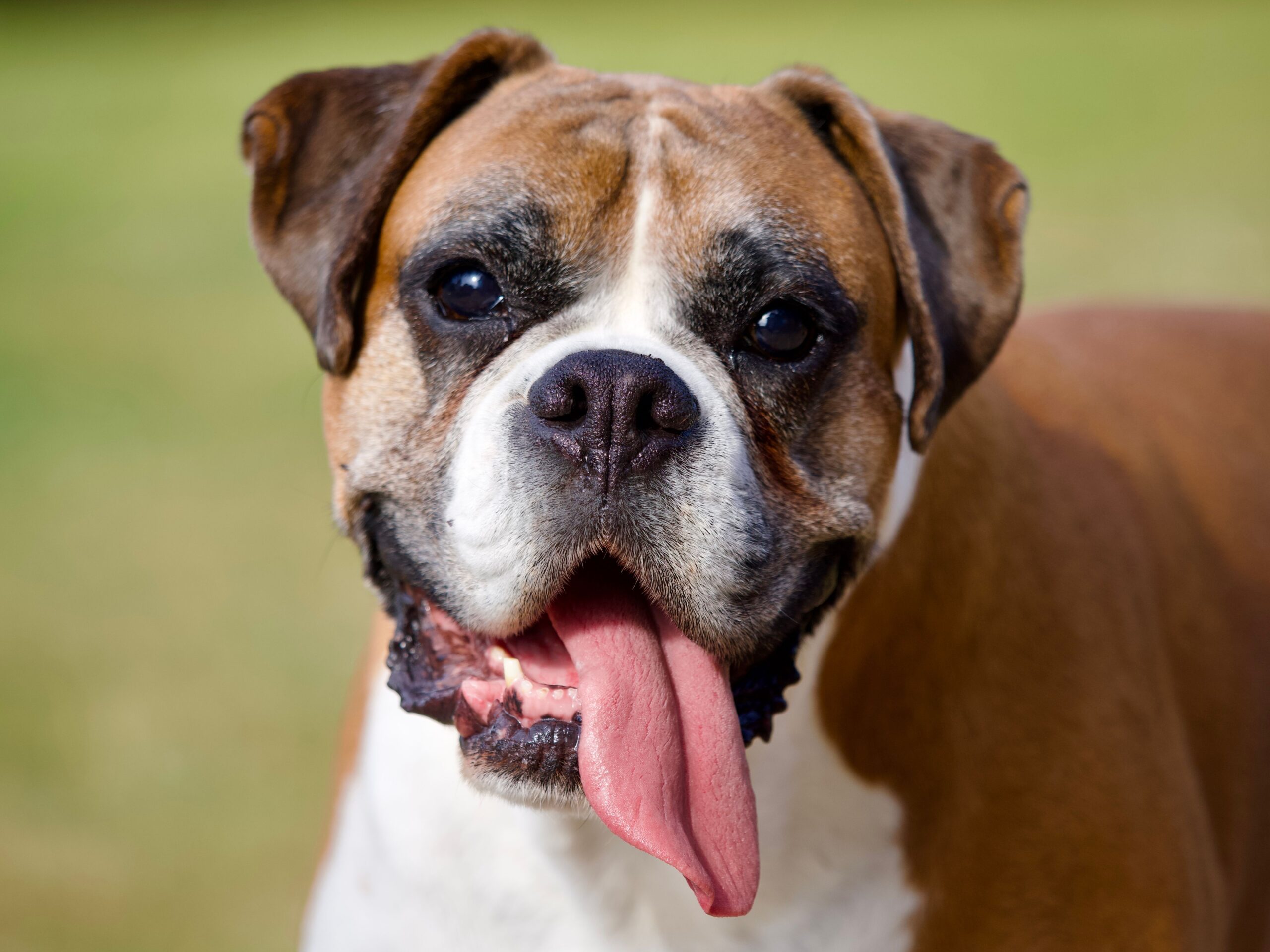
A veterinarian explains the common causes of excessive panting and when it’s time to seek veterinary advice
By Dr Nicole Rous
It’s completely normal for dogs to pant after a run, during warm weather or when they’re excited. Unlike humans, dogs don’t sweat through their skin and rely on panting as one of their main ways of regulating body temperature.
But what if your dog is panting while resting, indoors, or during cool weather?
Persistent or unexplained panting can sometimes be an early sign that something isn’t quite right. While it isn’t always an emergency, it’s worth understanding what your dog’s body may be trying to tell you.
Why do dogs pant?
Panting is a normal physiological response that helps dogs cool themselves down.
However, dogs may also pant in response to:
-
Stress or anxiety
-
Pain or discomfort
-
Exercise
-
Excitement
-
Certain medications
-
Underlying medical conditions
The key is considering when your dog is panting and whether it’s different from their normal behaviour.
When is panting considered normal?
Panting is usually expected if your dog has:
-
Been exercising
-
Been outside on a warm day
-
Been playing or feeling excited
-
Recently travelled
-
Experienced a mildly stressful event, such as a car ride
In these situations, panting should gradually settle once your dog has cooled down and relaxed.
When should you be concerned?
If your dog is panting heavily without an obvious reason, or the panting seems excessive compared to normal, it’s worth arranging a veterinary examination.
You should seek veterinary advice if your dog is:
-
Panting while resting
-
Panting overnight
-
Breathing faster than usual
-
Appearing distressed or unsettled
-
Showing signs of lethargy
-
Coughing or struggling to breathe
-
Panting alongside vomiting, diarrhoea or collapse
Changes in breathing are often one of the first signs that something else may be affecting your dog’s health.
Could pain be the cause?
Many dogs pant when they’re in pain.
Arthritis, injuries, abdominal discomfort and dental disease can all cause increased panting, even if your dog isn’t crying or limping.
Dogs are very good at hiding discomfort, so panting may be one of the few outward signs that they’re not feeling well.
Stress and anxiety can also increase panting
Just like people, dogs may pant when they feel anxious.
Common triggers include:
-
Thunderstorms
-
Fireworks
-
Separation from their owner
-
Veterinary visits
-
Travelling
-
New environments
Stress-related panting is often accompanied by pacing, trembling, hiding or restlessness.
If your dog experiences frequent anxiety, it’s worth discussing management strategies with your veterinarian rather than assuming they’ll simply “grow out of it.”
Medical conditions that may cause excessive panting
Several health conditions can lead to increased panting, including:
Heart disease
Dogs with heart disease may pant more because their heart isn’t pumping efficiently, making breathing feel more difficult.
Respiratory disease
Conditions affecting the lungs or airways can increase breathing effort and result in persistent panting.
Cushing’s disease
Dogs with Cushing’s disease commonly pant more than usual. Other signs may include increased thirst, increased appetite and changes to the coat.
Obesity
Carrying excess weight places additional strain on the heart and lungs, meaning overweight dogs may pant more easily during everyday activities.
Because these conditions can share similar symptoms, a veterinary examination is essential to determine the underlying cause.
What will your veterinarian look for?
During your appointment, your veterinarian will assess your dog’s breathing, heart, temperature and overall health.
Depending on your dog’s symptoms, they may recommend:
-
A physical examination
-
Blood tests
-
Chest X-rays
-
Heart assessment
-
Blood pressure measurement
-
Additional diagnostic testing where appropriate
These investigations help identify the underlying cause so treatment can be tailored to your dog’s individual needs.
What should you do at home?
If your dog is panting because they’re hot, move them to a cool, shaded area and provide access to fresh water.
However, if the panting is unusual, persistent or accompanied by other signs of illness, avoid delaying veterinary assessment.
Never assume excessive panting is simply part of getting older, as many age-related conditions can be managed more effectively when detected early.
Final thoughts
Panting is a normal behaviour, but only in the right context.
If your dog’s breathing seems different from usual, it’s worth paying attention. While the cause may be something simple, persistent or unexplained panting can also be an early sign of pain, stress or underlying disease.
If you’re ever unsure whether your dog’s panting is normal, your veterinarian can help determine what’s causing it and whether any treatment is needed.