
A veterinarian explains the common causes of head shaking in dogs and when it’s time to book a check-up
By Dr Nicole Rous
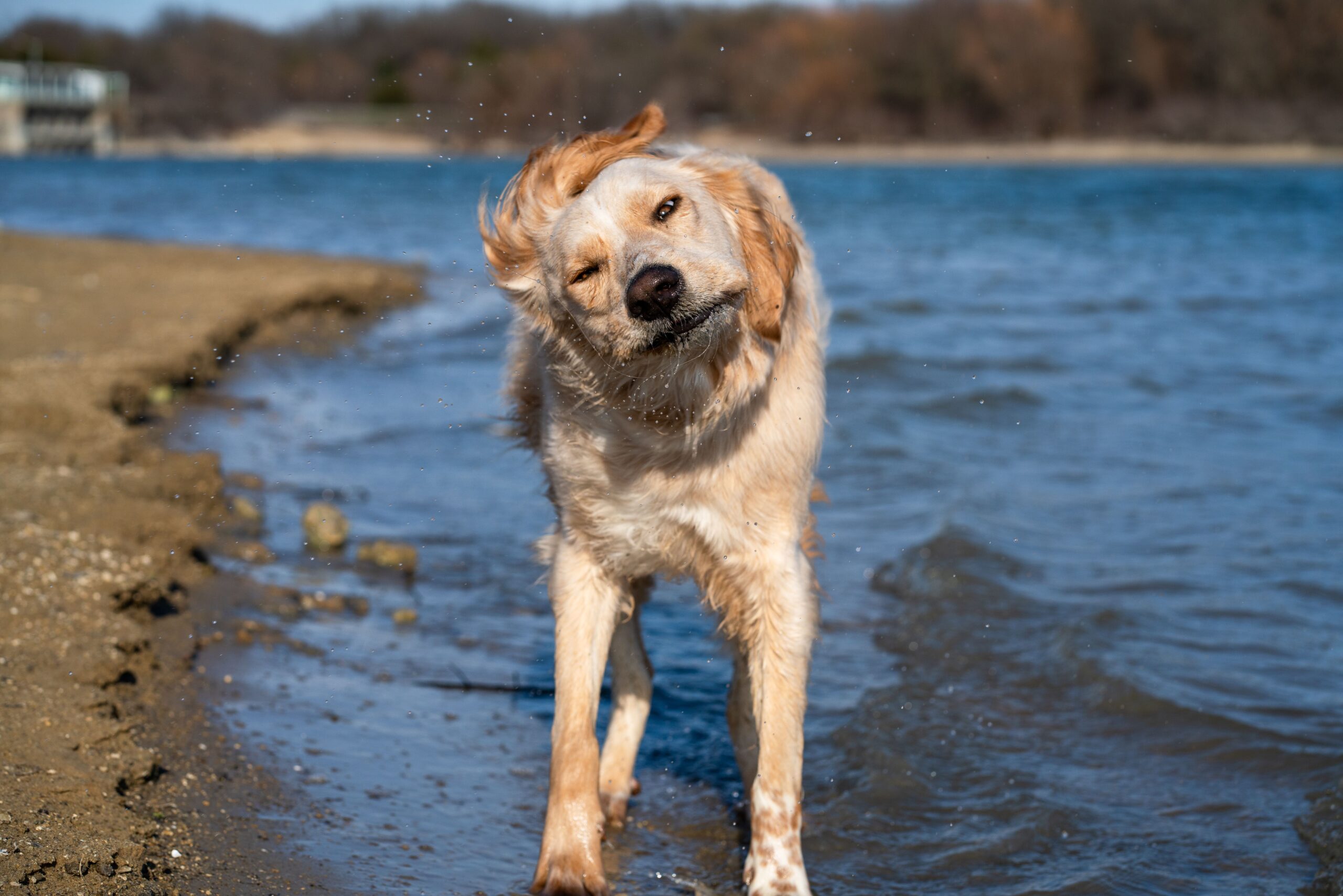
A quick head shake after a swim or bath is perfectly normal, but if your dog is always shaking their head repeatedly, scratching at their ears or seems uncomfortable, it’s worth paying attention.
Head shaking is one of the most common signs that something is irritating your dog’s ears. While ear infections are often the culprit, they’re not the only possible cause. Allergies, ear mites, grass seeds and even underlying skin disease can all contribute to ear discomfort.
At Vets of Melbourne, we encourage pet owners to view persistent head shaking as an early warning sign rather than something that will simply resolve on its own.
Why do dogs shake their heads?
Dogs shake their heads to relieve irritation, discomfort or pain within the ear canal.
Common causes include:
-
Ear infections caused by bacteria or yeast
-
Allergies affecting the ears and skin
-
Grass seeds or other foreign bodies
-
Ear mites (more common in puppies and kittens)
-
Excess wax build-up
-
Inflammation caused by underlying skin disease
Because many of these conditions have similar symptoms, it’s important to identify the underlying cause before starting treatment.
What are the signs of an ear problem?
Head shaking is often accompanied by other symptoms, including:
-
Scratching at the ears
-
Red or inflamed ears
-
A noticeable odour
-
Brown, yellow or black discharge
-
Sensitivity when the ears are touched
-
Tilting the head to one side
Some dogs may also become quieter than usual or seem reluctant to have their head handled because of discomfort.
Why do ear infections keep coming back?
Recurring ear infections are rarely just bad luck.
In many dogs, repeated infections are a symptom of an underlying issue that hasn’t yet been addressed.
One of the most common causes is allergic skin disease. Dogs with environmental or food allergies often develop inflammation inside the ear canal, creating the perfect environment for bacteria and yeast to grow.
Hormonal conditions, anatomical differences and excessive moisture can also increase the risk of recurring ear problems.
Rather than simply treating each infection as it occurs, identifying and managing the underlying cause often leads to much better long-term outcomes.
Could gut health play a role?
While ear infections themselves don’t originate in the gut, the immune system, skin health and gut microbiome are closely connected.
In dogs with chronic allergies, skin disease or recurrent ear infections, maintaining overall gut health may form part of a broader management plan.
For some patients with ongoing skin or digestive concerns, i-screenPets gut microbiome testing can provide additional insights into the balance of bacteria within the digestive tract. While microbiome testing isn’t a diagnostic tool for ear disease, it can contribute valuable information when assessing dogs with complex or recurring inflammatory conditions.
Should I clean my dog’s ears at home?
Routine ear cleaning can be beneficial for some dogs, particularly those that swim regularly or are prone to wax build-up.
However, cleaning should only be done using veterinary-recommended ear cleaners and shouldn’t be used as a substitute for a veterinary examination if your dog is showing signs of pain or infection.
If the eardrum is damaged or there’s a grass seed lodged in the ear, inappropriate cleaning may worsen the problem.
Your veterinarian can advise whether your dog’s ears require regular cleaning and how often it should be be done.
When should you see your vet?
Book an appointment if your dog:
-
Is shaking their head frequently
-
Scratches at their ears regularly
-
Has an unpleasant smell coming from the ears
-
Has discharge or swelling
-
Cries out when their ears are touched
-
Has recurring ear infections
Early treatment is often simpler, more comfortable for your dog and may help prevent chronic ear disease.
Final thoughts
Persistent head shaking is your dog’s way of telling you that something isn’t right.
Whether the cause is an ear infection, allergies, a foreign body or another underlying condition, identifying the reason early can help relieve discomfort and reduce the risk of ongoing problems.
If you’ve noticed your dog shaking their head more than usual, don’t ignore it. A veterinary examination can help determine the cause and ensure your dog receives the most appropriate treatment.